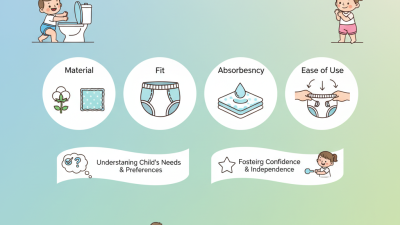
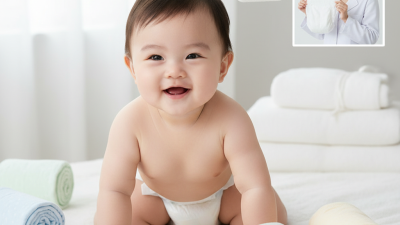
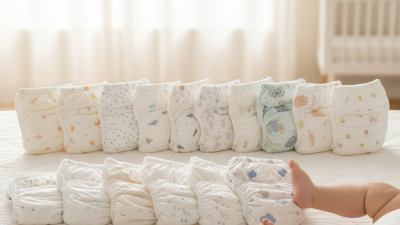
Choosing the right Baby Diaper Pants is crucial for your little one’s comfort. Parents need to consider various factors. The right fit ensures mobility and reduces leaks. Look for breathable materials; these keep your baby dry and comfortable.
You should also pay attention to the absorbency levels. Some diapers hold more moisture, which is ideal for longer usage. A diaper that feels wet can make a baby fussy. Colors and patterns can be cute, but functionality should be a priority.
Finally, remember that not every brand suits every baby. It's a learning process to find the right match. Assessing your baby's reactions is essential. Observing any rashes or discomfort may help guide your choices. Baby Diaper Pants should meet both needs and preferences for a happy baby.
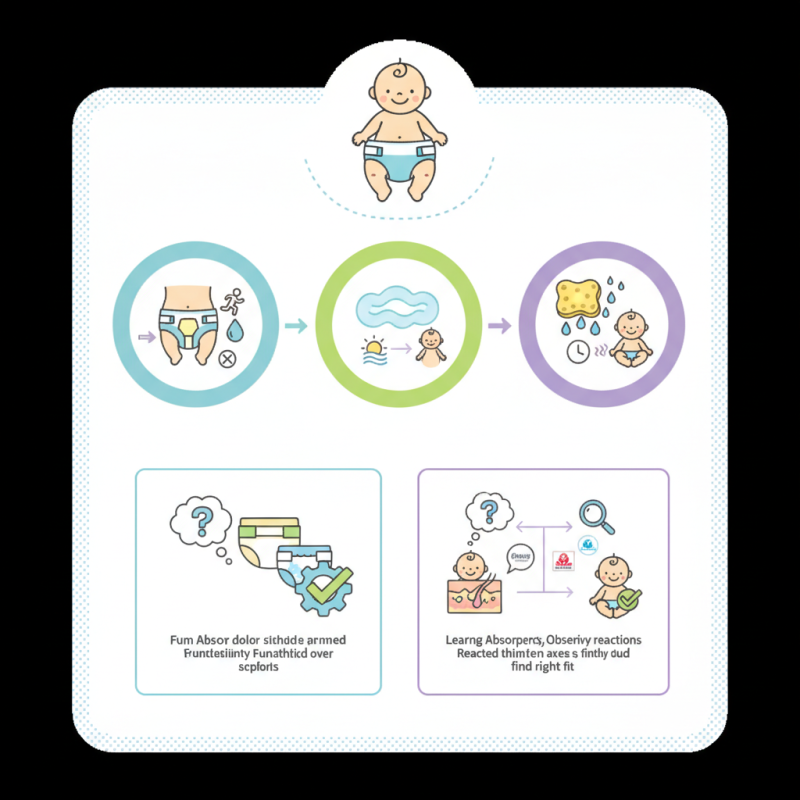
Choosing the right baby diaper pants is essential for both comfort and hygiene. Parents should prioritize absorbency. According to a 2023 industry report, over 70% of diaper-related rashes stem from inadequate moisture control. Selecting pants with advanced absorbent materials can significantly reduce this risk. Softness is another critical factor. An ideal diaper should feel gentle against the skin. Rough materials can lead to irritation, especially for sensitive babies.
Fit is crucial as well. Diaper pants must allow for free movement. A study from the Parenting Association found that 65% of parents observed diaper leaks due to poor fit. Look for features like stretchy waistbands and leg cuffs. These can help ensure a snug yet comfortable fit. However, achieving the perfect balance is not always easy. Some parents may find that elastic bands may feel too tight for their little ones.
Lastly, consider breathability. According to a recent survey, 40% of parents reported skin issues related to non-breathable materials. Diaper pants should allow airflow. This helps in keeping the skin dry. Selecting options that offer ventilation can mitigate such concerns. Navigating these factors can be tricky. Parents often have to experiment to find the best combination for their child.
| Factor | Description | Recommendation |
|---|---|---|
| Material | Soft, breathable materials to prevent diaper rash. | Choose diapers made from cotton or hypoallergenic materials. |
| Size | Correct sizing is important for comfort and leak prevention. | Select diapers based on your baby's weight and age. |
| Absorbency | Diapers should effectively absorb moisture to keep the baby dry. | Look for products with gel technology for enhanced absorbency. |
| Fit | A good fit prevents leaks and provides comfort. | Consider stretchy waistbands and leg cuffs for a snug fit. |
| Eco-Friendliness | Environmentally friendly options reduce environmental impact. | Choose biodegradable or reusable cloth diapers when possible. |
| Cost | Budget-friendly options are essential for affordability. | Compare prices and consider bulk purchasing for savings. |
| Leak Protection | Good leak protection keeps clothes and bedding dry. | Look for products with reinforced leak barriers. |
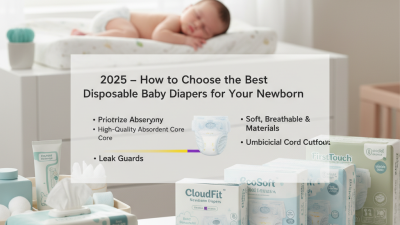
When choosing baby diaper pants, materials matter significantly. Cotton is a popular choice. It's soft and breathable, making it gentle on a baby’s skin. However, cotton can also absorb moisture well, and it may not always be sufficient to keep the skin dry for long periods.
Another common material is polyester. It's waterproof and helps prevent leaks. This can be a lifesaver during nighttime. But polyester can sometimes cause rashes. Parents may find themselves in a dilemma, weighing comfort against practicality.
Additionally, there are eco-friendly options made from bamboo or hemp. These materials are sustainable and often hypoallergenic. Still, they might lack some absorbency found in synthetic fabrics. Parents should reflect on their baby's specific needs and sensitivities. Choosing the right material isn't always straightforward, and it requires careful consideration of each option's pros and cons. Each baby reacts differently, making it essential to monitor their comfort.
This chart compares the benefits of different materials used in baby diaper pants. The "Benefits Score" indicates how each material ranks based on softness, absorption, breathability, and eco-friendliness, providing insights to help parents make the best choice for their babies.
When choosing baby diaper pants, absorbency is a key factor. Each baby has different needs based on their age, diet, and activity level. Newborns may require more absorbency due to frequent urination. Active toddlers might need diapers that can keep up with their movement. Pay attention to how often you change your baby's diaper. If your baby leaks often, the absorbency might not be enough.
Understanding your baby's signals can help. Look for signs of discomfort, like fussiness or rashes. A snug fit can also impact absorbency. Diaper pants that are too loose can lead to leaks. Consider the material used in the diaper. Some materials wick moisture away better than others. It’s a good idea to test a few types to see what works best.
Ultimately, the right choice is about balance. More absorbency isn't always better, as it can make diapers bulkier. Observe your baby's reaction and adjust accordingly. Keep a diary for a week or two to track which diaper fits best. Aim for comfort but remain flexible. Each baby is unique, and discovering the perfect fit can be a journey.
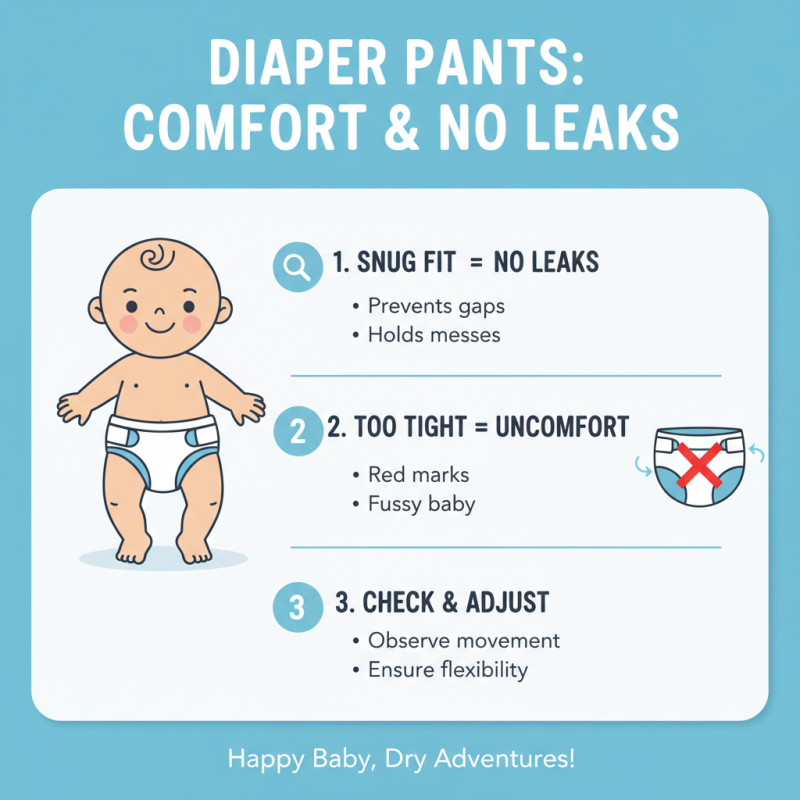
Choosing the right diaper pants for your baby involves careful consideration of sizing and fit. A snug fit is essential for preventing leaks. However, too tight can lead to discomfort. Observe your baby's movements. If they seem restricted or fussy, adjustments are vital.
Measure your baby's waist and thighs accurately. Many brands offer size charts, but babies grow quickly. Check fit regularly. Sometimes, a size that fits perfectly today may become too small next week. Look for diapers with elastic waistbands. They help accommodate changes in size while providing a secure fit.
When trying new diaper pants, monitor a few key aspects. Is there any redness around the thighs or waist? This could indicate the fit is off. Additionally, observe for leaks during naps or playtime. If leaks happen frequently, reassess the size. Remember, the goal is comfort and protection for your little one.
When shopping for baby diaper pants, cost is a major factor. Parents often seek a balance between quality and value. A low price can be tempting, but cheap diapers may not hold up well. They can leak, causing discomfort for your baby. Frequent changes can lead to higher costs in the long run.
Consider the materials used in diaper pants. Natural or hypoallergenic options may be pricier, but they are gentler on delicate skin. You might spend a bit more to avoid rash or irritation. Look for options with good absorbency and a snug fit. These features can save money by reducing the number of changes needed.
Evaluate the features critically. What works for one baby might not suit another. It can take time to find the perfect fit. Buying in bulk may appear economical, yet discover if you really like the product first. Testing a few brands or styles is a smart approach. Don't overlook user reviews—they can offer practical insights on durability and performance. Balancing these aspects is key to making a financially sound decision.