How to Choose the Best Baby Diapers for Your Baby's Needs?

Choosing the right baby diapers is crucial for both comfort and health. Renowned pediatrician Dr. Emily Carter states, "The right diaper can make all the difference in a baby's happiness." With countless options on the market, it can be overwhelming for new parents. Understanding your baby’s needs is essential.

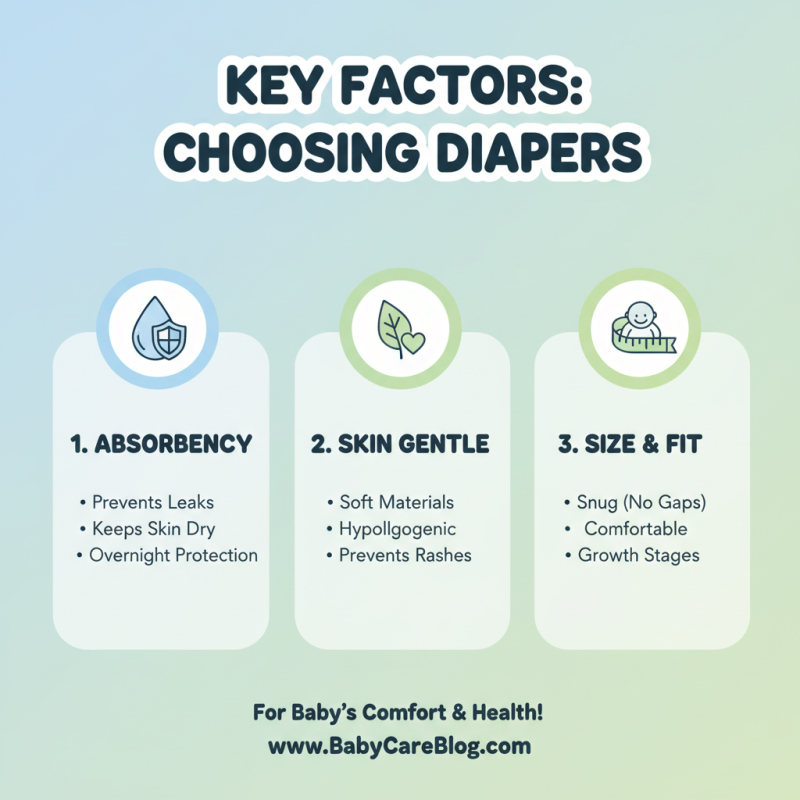
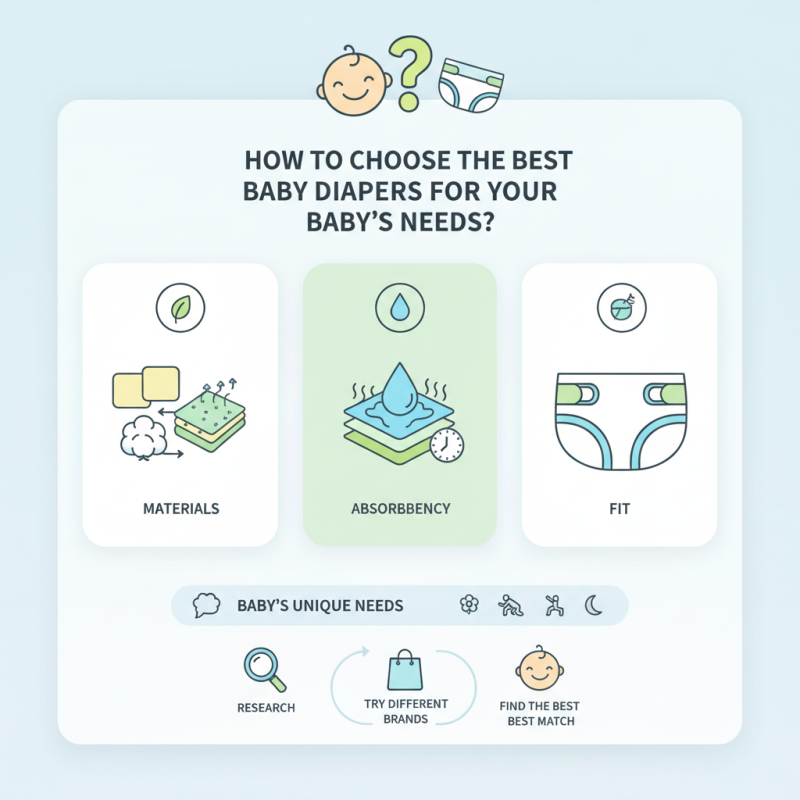
When selecting baby diapers, consider materials, absorbency, and fit. High-quality diapers reduce the risk of rashes and discomfort. Parents often find that trying different brands leads to important discoveries. Some diapers may offer better breathability while others excel in absorption.

It’s important to reflect on your baby’s unique requirements. Not every product suits every baby. Engaging in thorough research can reveal valuable insights. Baby diapers are not a one-size-fits-all solution. Ultimately, the goal is to find the best match for your little one.
How to Choose the Best Baby Diapers for Your Baby's Needs?

Understanding Your Baby's Diaper Needs

Choosing the right diapers for your baby is essential. It goes beyond just convenience; it's about meeting specific needs. Each baby is unique. Some may have sensitive skin. Others might be more active and need a diaper that can keep up. Understanding these differences is crucial.

Pay attention to your baby's reactions. If there is discomfort, it may be time to reconsider your choice. Look for signs like redness or rashes. These indicate that the diaper may not be suitable. Each diaper style offers various features, such as moisture-wicking abilities. This can help keep your baby dry and comfortable.

Consider your baby's age and development stage. Newborns need more frequent changes. As they grow, they may require more absorbent options for longer wear. Reflect on your parenting style too. Some prefer eco-friendly options, while others prioritize cost. Finding the best fit for your lifestyle and your baby's needs may take some time. It's a learning process, but worth the effort.
Different Types of Diapers: Pros and Cons

When choosing diapers, understanding different types is crucial. Disposable diapers are widely popular. They are convenient and make on-the-go changes easy. However, some parents express concerns about their environmental impact. Once used, they contribute to landfill waste. This choice may limit sustainability efforts for eco-conscious families.

Cloth diapers offer another solution. They are reusable and can save money in the long run. Parents often note how soft they feel on a baby’s skin. However, cloth diapers come with challenges. They require frequent washing and drying, which can be time-consuming. Some parents find this overwhelming, especially with busy schedules.

Hybrid diapers blend the features of both types. They use disposable inserts within a reusable cover. This option may appeal to parents seeking the best of both worlds. Yet, others worry about the cost of inserts over time. It’s essential to weigh these factors in deciding what suits your baby best.

How to Choose the Best Baby Diapers for Your Baby's Needs? - Different Types of Diapers: Pros and Cons

Diaper Type Pros Cons
Disposable Diapers Convenient, highly absorbent, easy to use, good for travel. Less environmentally friendly, can irritate sensitive skin.
Cloth Diapers Reusable, eco-friendly, cost-effective over time, breathable. Requires washing, can be bulky, initial investment higher.
Hybrid Diapers Combination of cloth and disposable, flexible use, less waste than disposables. Can be more expensive, need to manage two systems.
Biodegradable Diapers Environmentally friendly, made from sustainable materials. Higher price, availability may vary.
Training Pants Ideal for potty training, easy for toddlers to pull up and down. Less absorbent than regular diapers, may not contain accidents well.

Key Factors to Consider When Choosing Diapers

How to Choose the Best Baby Diapers for Your Baby's Needs?

Choosing the right diaper for your baby is vital for their comfort and health. Parents often focus on absorbency, but there are other key factors to consider. Look for materials that are gentle on the skin, as babies can develop rashes quickly. It's essential to assess the size and fit of the diaper. A snug fit prevents leaks, while a loose diaper can cause discomfort.

When evaluating diapers, consider the absorbency layer. This aspect ensures that your baby stays dry for longer periods. Some parents prefer biodegradable options, which are better for the environment. However, these may not always offer the same level of absorbency. It's good to weigh different materials against your baby's needs.

Tip: Always keep an eye on your baby's reactions to new diapers. Redness or discomfort can be an indication of a poor fit or material sensitivity. Also, consider the diaper's weight; lighter options may be easier for mobility. Experiment with different brands to find what works best for your baby. Remember, it’s a learning process!

Sustainability and Health: Eco-Friendly Diaper Options

When choosing diapers, consider eco-friendly options. Traditional disposable diapers can take hundreds of years to decompose. The environmental impact is significant. A study found that over 20 billion diapers are discarded each year in the U.S. alone. This statistic is alarming. Eco-conscious parents seek alternatives that reduce waste.

Cloth diapers present a sustainable solution. They can be reused for multiple children. Many parents express concerns about their cleaning. But the carbon footprint of reusables is often lower than disposables. According to a report by the Environmental Protection Agency, cloth diapers can reduce landfill waste by up to 50%. They are also free from harmful chemicals often found in disposables.

Tips:
- Look for diapers certified by environmental standards.
- Consider local laundry services for cloth diapering.
- Explore biodegradable options if cloth isn’t feasible.

Health is another key aspect. Eco-friendly diapers reduce exposure to toxic substances. Many parents are unaware that some disposables contain chemicals linked to skin irritations. A focused choice can enhance your baby's comfort while being kinder to the planet. Balancing convenience and sustainability may not be easy, but exploring these options is crucial for health and the environment.

Comparison of Eco-Friendly Diaper Options

Tips for Buying Diapers on a Budget

Buying diapers on a budget can be tricky but manageable. According to a report from the National Diaper Bank Network, families with low income spend about $80 a month on diapers. Planning your purchases can lead to big savings. Look for bulk purchasing options, as larger packs usually cost less per diaper. Buying in bulk can often save 10-20% compared to single packs.

Consider cloth diapers as an eco-friendly alternative. A study by EcoWatch found that families can save over $1,000 by switching to cloth diapers. While the upfront costs are higher, many parents find they last longer and provide better value over time. However, it's essential to be open to trial and error. Not all cloth options will fit every baby comfortably.

Pay attention to sales and coupons. Many retailers offer promotions or discounts that can make a significant difference. Research different brands and types. Each baby is unique, and what works for one might not work for another. Keeping track of your spending can help you stay within your budget without sacrificing quality.

Product

Solution

Factory

Get your first personal diaper product customization
© 2021  Quanzhou Tianjiao Lady & Baby's Hygiene Supply Co., Ltd. All rights reserved. Site Map. Technology by leadong.