Choosing the right baby training pants for your toddler is a crucial step in the potty training journey. As parents, we understand that this transition can be both exciting and challenging, not just for the child but for the entire family. Baby training pants are designed to provide comfort and a sense of independence for toddlers while ensuring that they remain mess-free during the learning process. With so many options available, selecting the best ones can feel overwhelming.
In this guide, we will explore various factors to consider when choosing baby training pants, such as material, fit, absorbency, and ease of use. Understanding your child's needs and preferences will help you make an informed decision that promotes a positive potty training experience. As toddlers progress through this developmental milestone, the right training pants can make all the difference, fostering their confidence and willingness to transition away from diapers. Join us as we delve into the essential aspects of baby training pants and help you find the perfect match for your little one.
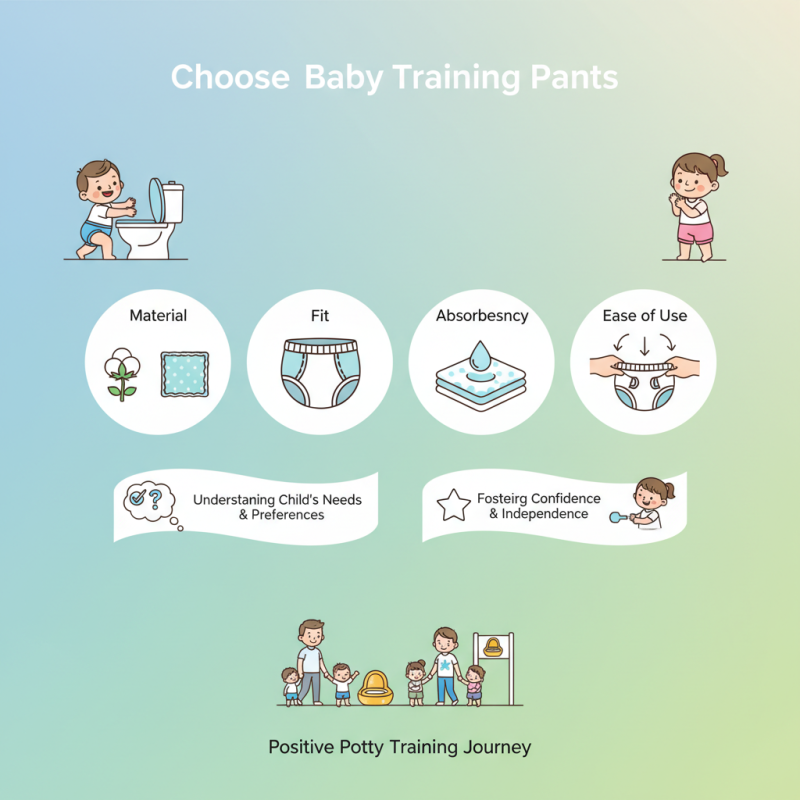
When selecting the best baby training pants for your toddler, there are several important factors to consider. First and foremost, size and fit are crucial. Training pants should fit snugly around the waist and legs without being too tight, as this ensures comfort and prevents leaks. It's essential to measure your child’s waist and choose a size that accommodates their growth, especially since toddlers tend to grow quickly.
Another vital factor is the absorbency of the training pants. Look for options that can handle accidents while still being breathable to prevent irritation. Some pants come with extra layers to enhance absorbency without sacrificing comfort. This is particularly important during the day when your toddler may not be fully aware of their need to use the toilet yet.
**Tip:** Check for materials that are soft and gentle on the skin. Many parents opt for cotton blends as they are comfortable and reduce the risk of diaper rash.
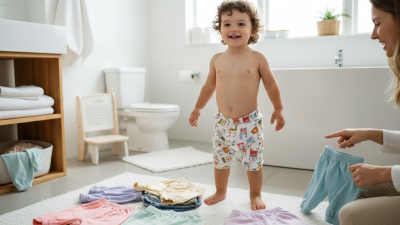
Finally, consider your child’s willingness to wear training pants. Engaging them in the selection process can make them more enthusiastic about using training pants. Show them various options and let them choose their favorite designs or colors, as this can boost their motivation and confidence during potty training.
**Tip:** Reinforce their choice with positive encouragement, celebrating their progress, no matter how small.
When selecting baby training pants, understanding the materials used is essential to ensure comfort and effectiveness for your toddler. Common materials include cotton, polyester, and blends.
Cotton is highly breathable and gentle on the skin, making it an excellent choice for sensitive children. Its natural properties allow for better air circulation, which can help prevent rashes. However, cotton may not be as absorbent as synthetic materials, which could lead to leakage issues during extended use.
On the other hand, polyester and other synthetic materials often provide superior absorbency and moisture-wicking properties, making them more effective at keeping your child dry. These materials are designed to lock in moisture and reduce the risk of leaks, especially overnight. However, they may not offer the same level of breathability as cotton, which could potentially lead to discomfort or irritation if worn for long periods.
When choosing the right training pants, it’s crucial to find a balance between absorbency and comfort, considering your toddler’s specific needs and preferences.
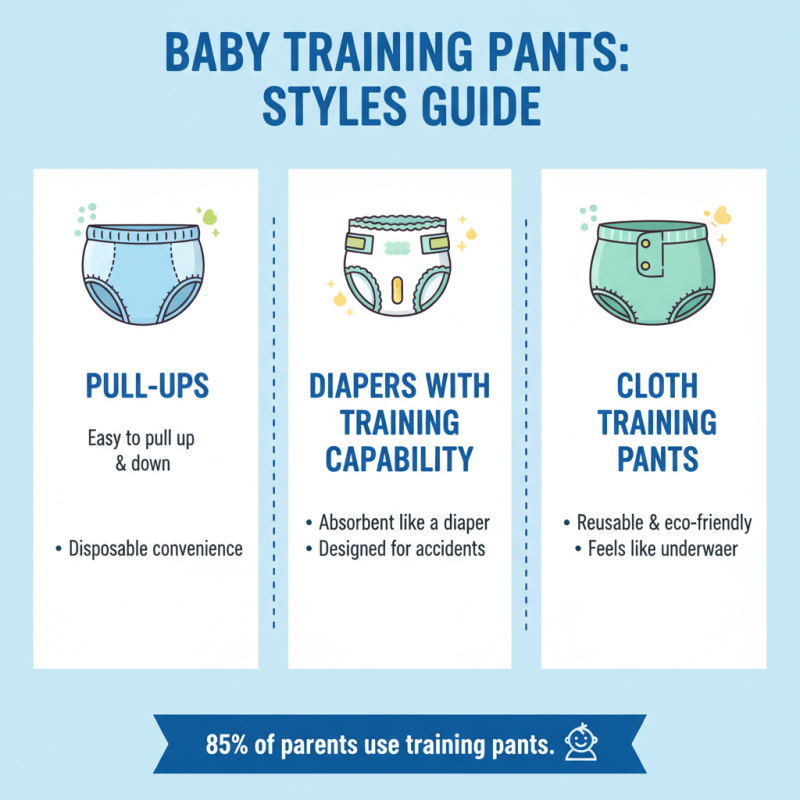
When it comes to selecting the best baby training pants for your toddler, understanding the various styles available can dramatically influence the potty training experience. Research indicates that nearly 85% of parents switch to training pants at some point during their child's potty training journey, primarily due to their convenience and effectiveness. The main styles are pull-ups, diapers with training capability, and cloth training pants, each serving distinct needs.
Pull-ups are often the preferred choice for active toddlers as they are easy to put on and take off, enabling quick changes. According to a 2022 survey by the Parenting Research Institute, 74% of parents reported that pull-ups made their toddlers more enthusiastic about potty training. On the other hand, diapers designed for training offer a familiar feel and sometimes include a wetness indicator, helping caregivers gauge when a change is necessary. Lastly, cloth training pants offer a more eco-friendly option and can be reused, with a significant 60% of parents highlighting their sustainability benefits in recent industry analyses.
Choosing the right style boils down to your toddler's personality and specific needs. While pull-ups are great for independence, cloth training pants can encourage toddlers to recognize when they need to use the potty, being less absorbent than diapers. Ultimately, understanding these dynamics allows parents to make informed decisions that tailor the potty training process to their child's unique development.
When it comes to selecting baby training pants, the sizing and fit are crucial for ensuring both comfort and effectiveness during the toilet training process. A proper fit prevents leaks and provides the necessary support for toddlers as they transition from diapers to underwear. It’s essential to measure your child’s waist and hip size accurately, as this will help in picking a size that accommodates their growing body while still providing security and comfort.
Additionally, consider the design and construction of the training pants. Look for features such as stretchy waistbands and leg openings that can adjust to your child’s movements. A snug yet comfortable fit is key; if the pants are too tight, they may cause discomfort, whereas overly loose pants might lead to leaks and accidents. Remember to also check any sizing guidelines provided, as these can vary between products. Trying a few different sizes during your initial purchases will give you a better understanding of what works best for your child and ensure a smooth transition to independent toilet use.
| Age Group | Weight Range | Recommended Size | Fit Type | Comfort Features |
|---|---|---|---|---|
| 12-18 Months | 20-30 lbs | Size 3 | Pull-Up | Soft waistbands, breathable materials |
| 18-24 Months | 25-35 lbs | Size 4 | Training Pants | Stretchy sides, quilted lining |
| 2-3 Years | 30-40 lbs | Size 5 | Adjustable Fit | Absorbent core, playful designs |
| 3-4 Years | 35-45 lbs | Size 6 | Potty Training Pants | Easy to pull up/down, absorbent |
When it comes to choosing baby training pants for your toddler, budgeting plays a crucial role in finding cost-effective options. Many parents are concerned about the overall cost, especially since toddlers may go through several pairs as they transition from diapers to underwear. It's essential to explore various options that maintain quality while being gentle on the wallet.
One effective tip is to compare prices and look for bulk purchase deals. Buying in larger quantities can often lead to savings per unit, reducing the frequency of your shopping trips and ultimately benefiting your budget. Additionally, consider store brands or generic options that offer similar features to well-known brands at a fraction of the cost. Don’t hesitate to take advantage of sales or promotions, and subscribing to newsletters can help you stay informed about upcoming discounts.
Another important consideration is to assess your toddler’s needs individually. Keep an eye on factors such as absorbency, comfort, and ease of use that may influence your choice. Investing in a small number of high-quality training pants may be a better choice compared to buying many lower-quality ones that don’t hold up well. This approach ensures you get the most value for your money while effectively supporting your toddler’s potty training journey.
This chart compares the average costs of different baby training pants options available in 2025. Basic training pants are the most economical choice, while premium brands tend to be significantly more expensive.