Choosing the right Disposable Baby Diapers for your child can be challenging. There are many options on the market today. Each brand offers something unique, making the decision overwhelming.
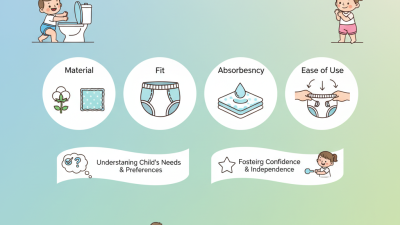
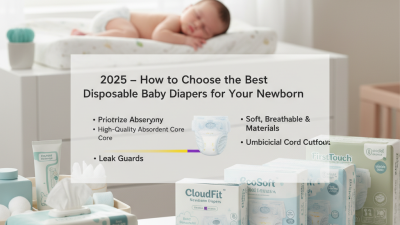
When selecting Disposable Baby Diapers, consider your child's age and needs. Newborns require special features to prevent leaks. A good fit is essential for comfort. Pay attention to materials, too. You want soft, breathable options to keep your baby’s skin healthy.
Don't forget to think about absorbency. Some diapers hold more liquid than others. Check reviews and ask other parents for recommendations. It's a process of trial and error. Sometimes, what works for one child may not work for another. This reflection is key to finding the best diapers for your little one.
Choosing the right size in disposable baby diapers is crucial for your child's comfort and hygiene. Diaper sizing charts are invaluable tools for parents. These charts typically categorize diapers by weight, ensuring that parents can select the right fit as their baby grows. For example, a size 1 diaper usually fits babies weighing between 8 to 14 pounds. This sizing can vary slightly between brands, and parents should remember this when choosing.
Many parents overlook the importance of fit. A diaper that is too small can lead to leaks and discomfort. Conversely, an oversized diaper may bunch up, causing irritation. A report by the Consumer Product Safety Commission indicated that poorly fitting diapers can contribute to skin rashes in as many as 20% of infants. This statistic shines a light on the importance of monitoring your baby's weight. Regular weight checks can help ensure they are in the correct size category.
Charts can also provide guidance based on your child's age and weight gain patterns. While they offer a good starting point, every child's body is different. Frequent changes in weight can lead to fits that are not ideal. Be ready to adapt and reassess as needed. A key takeaway is to keep an eye on your child's comfort. It may require some experimentation, but the right size makes all the difference.
When it comes to selecting the best disposable baby diapers, absorbency is a crucial factor. Your child's needs will change as they grow. Understanding these needs helps you make the right choice. For a newborn, choose diapers that offer excellent moisture retention. They often need more frequent changes due to smaller bladders. Look for features like wetness indicators that signal when it's time for a change. This can save you from leaks and discomfort.
As your child grows, consider their activities. Active toddlers may need diapers that stay dry longer. Observing your child's habits can guide you. Do they often wake up wet? If so, opt for overnight diapers designed for extended use. Also, evaluate the materials used. Some diapers claim to be super absorbent but may irritate sensitive skin. Finding a balance between absorbency and comfort is key. Ultimately, trial and error may be necessary to get it right. Don't hesitate to experiment with different options until you find the best fit.
| Diaper Size | Weight Range (lbs) | Absorbency Level | Best For | Features |
|---|---|---|---|---|
| Newborn | 5-10 | Low | Preemies and Newborns | Extra Soft, Eco-Friendly Materials |
| Size 1 | 8-14 | Medium | Infants | Wetness Indicator, Stretchy Sides |
| Size 2 | 12-18 | High | Active Babies | Breathable Design, Leak Guards |
| Size 3 | 16-28 | Very High | Toddlers | Containment Channels, Soft Fabric |
| Size 4 | 22-37 | Ultra High | Potty Training | Flexible Fit, Day and Night Protection |
Choosing the right disposable baby diapers is vital, especially for babies with sensitive skin. Many parents overlook the materials used in diapers. Some materials can irritate delicate skin. It's essential to check the ingredients. Look for dyes, fragrances, and chemical additives. These can cause rashes or allergic reactions.
Opting for chemical-free options can make a difference. Biodegradable diapers often use natural materials. They are gentle on baby skin and the environment. However, they sometimes lack absorbency. This might lead to leaks, which frustrates parents. Finding a balance between comfort and effectiveness can be challenging.
Also, pay attention to how a diaper fits. A snug fit prevents leaks but shouldn’t be too tight. Too much pressure on a baby's skin can lead to irritation. Many parents find it tough to find the right size. Regularly assessing the baby's skin condition can help. If irritation persists, consider swapping brands. It's a learning process for every parent.
This chart illustrates the skin sensitivity levels associated with different types of baby diaper materials. Parents should consider these factors when choosing the best option for their child.
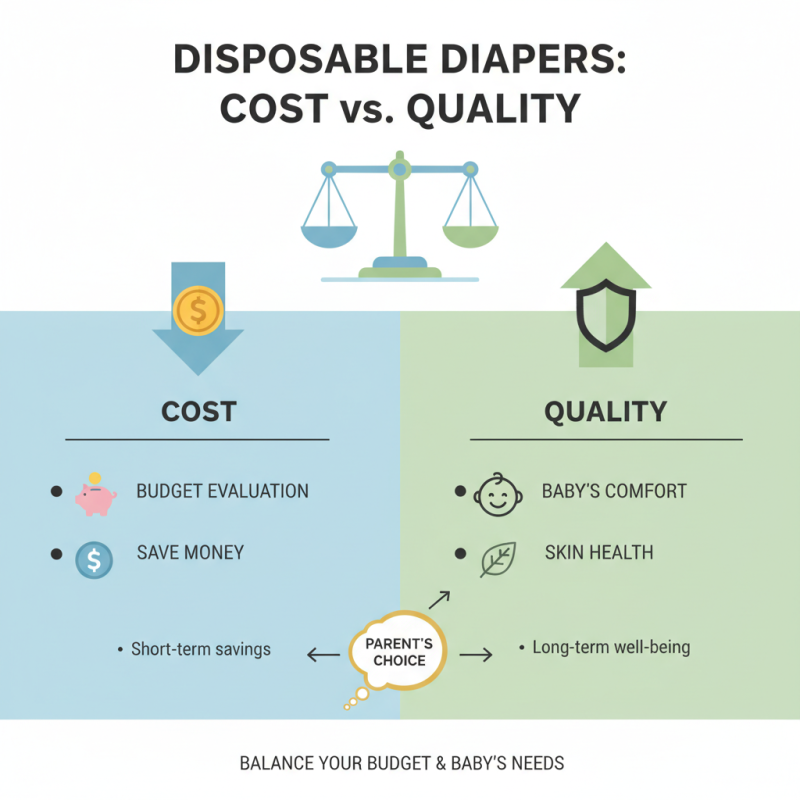
When deciding on disposable diapers, cost and quality play crucial roles. Many parents find themselves torn between saving money and selecting the best product. It’s essential to evaluate your budget while considering your child’s comfort and skin health.
Tips: Always check for sales or bulk discounts. Buying in larger quantities can save money in the long run. However, this method requires careful planning. Sometimes, a lower-priced diaper might cause rashes or leaks. It might not seem like a big deal initially, but it can lead to extra laundry and discomfort for your baby.
Not every diaper is created equal. Some may feel soft but lack absorbency. Others might offer excellent performance but come with a hefty price tag. Researching materials and fit can be time-consuming but necessary. Pay attention to online reviews and ask fellow parents for insights. Striking a balance between cost and quality can be challenging, especially with many options available.
Tips: Invest time in trial packs before committing to a brand. This helps you understand what works best for your baby. Remember, it's okay to switch brands if the diaper doesn't meet your expectations. Your child's comfort should always come first, regardless of the price tag.
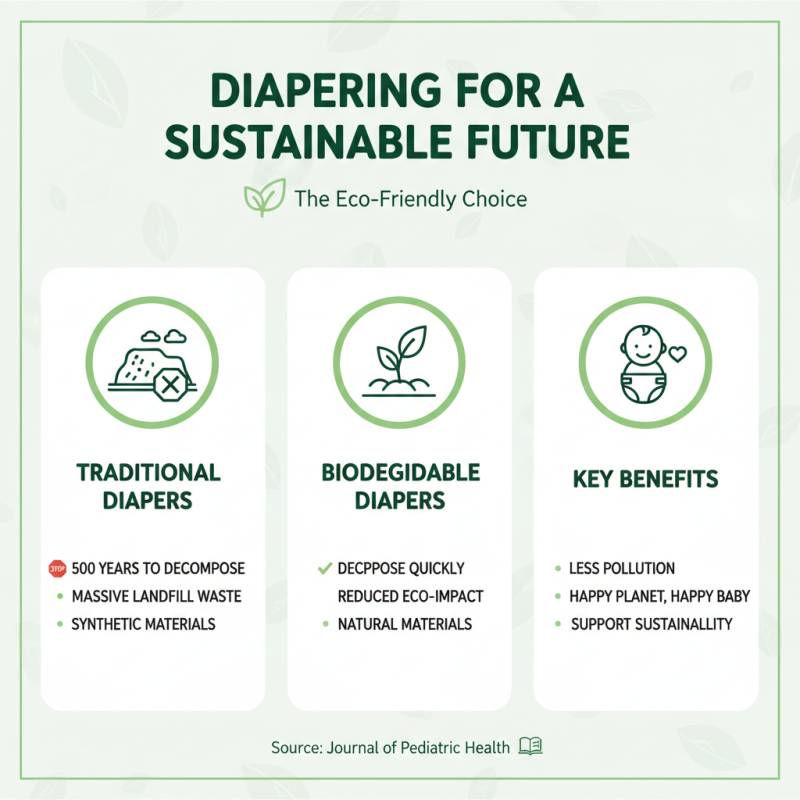
Choosing biodegradable disposable diapers can be a significant step towards a sustainable future. Reports from the Journal of Pediatric Health show that traditional disposable diapers can take 500 years to decompose. This long lifespan contributes to massive amounts of waste in landfills. Many parents seek eco-friendly options, as these diapers are often made from natural materials that break down more easily.
Biodegradable diapers can contain plant-based materials and are designed to minimize their environmental impact. Some studies reveal that these options can reduce landfill waste by at least 30%. While they may sometimes cost more, the benefits to the environment can outweigh the expenses. The increase in demand has also led to more manufacturers prioritizing sustainable practices.
However, not all biodegradable diapers are created equal. Some still contain plastic components that hinder their biodegradability. Parents should carefully read labels to ensure they are making an informed choice. Each diaper choice is a reflection of values and the future we want for our children. As awareness grows, so does the responsibility to weigh your options.