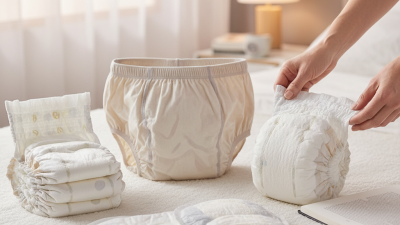
Choosing the right Adult Pull Up Diaper can significantly impact comfort and daily life. Many adults seek options that offer both protection and ease of movement. The choice may seem simple, yet there are many factors to consider.
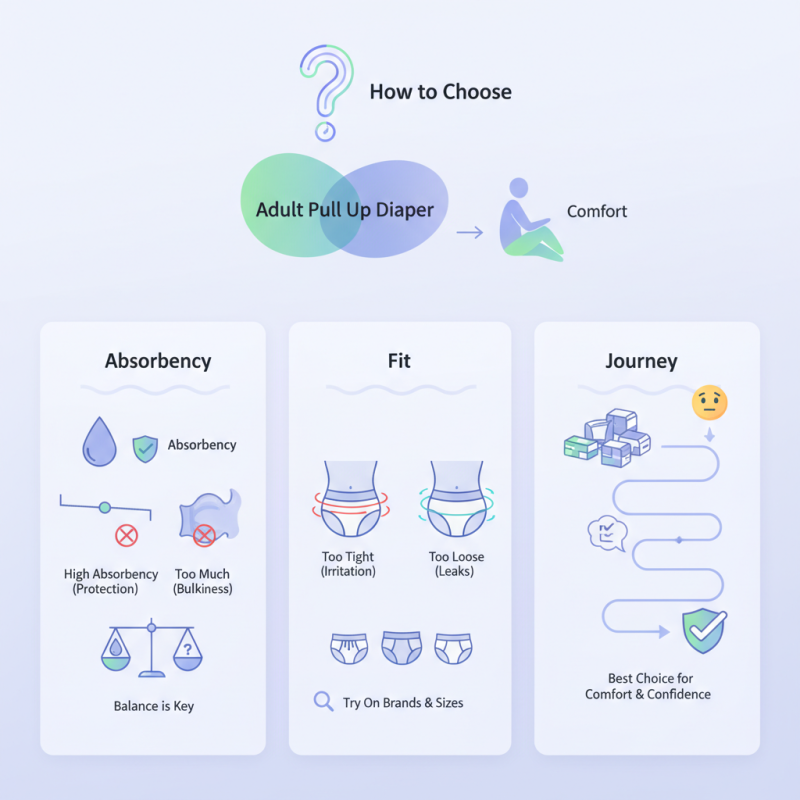
When selecting an Adult Pull Up Diaper, absorbency is crucial. A highly absorbent diaper can prevent leaks, providing peace of mind. However, too much absorbency may cause bulkiness, which many find uncomfortable. It’s essential to strike a balance.
Additionally, the fit of the diaper is vital for comfort. A diaper that is too tight can cause irritation. On the other hand, a loose fit may lead to leaks. Trying on various brands and sizes is key. In this journey, it’s okay to feel confused. Not all products will meet your needs right away. Careful consideration will lead to the best choice for comfort and confidence.
When selecting an adult pull-up diaper, comfort is paramount. Many users prefer products that are breathable. According to a report by the National Association for Continence, about 75% of users value softness and material quality. Adults with sensitive skin require special attention. The right fabric can prevent irritation and discomfort.
Harnessing advanced technology is crucial. Some pull-ups feature moisture-wicking properties. This helps maintain dryness throughout the day. Studies show that 68% of users experience fewer skin issues with these designs. However, not all products guarantee this protection. Users must be vigilant about product reviews.
Moreover, size and fit are essential. Ill-fitting pull-ups can lead to leaks or chafing. A recent survey highlighted that 62% of users struggled with size charts. Many found it challenging to determine the best size for their needs. Individuals should consider trying different sizes before settling on one.

When choosing pull-up diapers for adults, material options are crucial. The right blend affects both comfort and functionality. Absorbency is key. Look for materials that can hold moisture effectively. A good option often includes super absorbent polymers. However, be wary; too much absorbency may lead to bulkiness. This can restrict movement, making wearers uncomfortable.
Breathability is another essential factor. Fabrics that allow air circulation help prevent skin irritations. Soft cotton or breathable liners can improve comfort. But remember, not all breathable materials offer the same absorbency. You might experience leaks if the fabric does not balance both aspects well. Sometimes, a product that feels comfortable may not perform as expected.
Finding the right balance requires some trial and error. It’s beneficial to monitor how the materials react over time. Regular feedback from users can highlight any shortcomings. You may need to rethink your choices based on experiences. Ultimately, personalized comfort is about understanding your needs and adjusting accordingly.
When choosing the best adult pull-up diapers, sizing and fit are crucial for comfort. A well-fitted diaper feels secure and prevents leaks. Start by measuring the waist and hips carefully. Using a measuring tape, find the widest part of the hips. This ensures the right size for both support and freedom of movement.
Choosing the wrong size can lead to discomfort. A diaper that’s too tight may cause irritation and chafing. Conversely, a loose fit risks leaks and lack of confidence. It’s vital to review the sizing guidelines provided. These guidelines will often include weight and waist measurements. Testing different sizes can be enlightening. You might find that a size variance can greatly change your experience.
Comfort is also about design elements. Look for features like soft materials and elastic waistbands. These allow for better movement and reduce friction. However, not every design suits everyone. Some may prefer specific absorbency levels based on their needs. So it’s worth trying out multiple options to identify what works best for you. Balancing fit, comfort, and functionality requires some experimentation and reflection.
When choosing the best adult pull-up diaper, comfort is key. Many brands offer various features, but not all live up to their promises. Some users report discomfort from tight elastic bands, while others mention that certain materials feel rough against the skin. Customer satisfaction varies widely among different options.
Understanding industry standards is essential. Some brands focus heavily on absorbency, which may come at the cost of comfort. Others strive for softness but might sacrifice protection. This balance is vital. You can find reviews online that highlight both strengths and weaknesses. By comparing customer feedback and industry standards, you could make a more informed choice.
Consumer reviews often reveal discrepancies between expectations and reality. Sometimes, a highly-rated product might not suit everyone’s needs. It’s important to consider personal preferences and unique anatomical shapes. Adjusting to a new product means trial and error. This journey can be frustrating but necessary for finding the right fit.
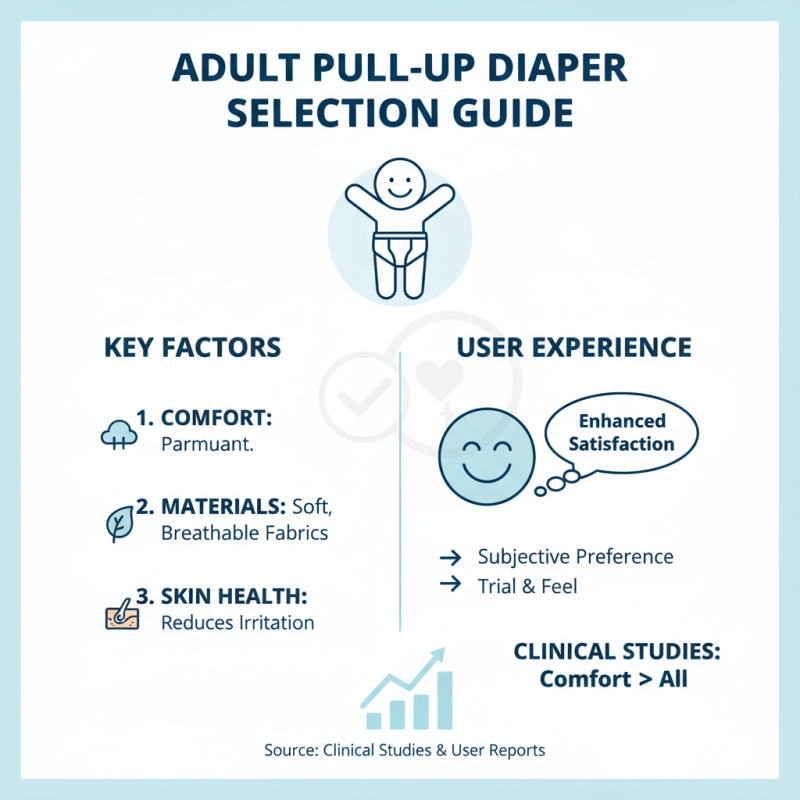
Selecting the right adult pull-up diaper largely hinges on user experience. Clinical studies reveal that comfort is paramount. Soft materials can significantly reduce skin irritation. Users often report a preference for breathable fabrics. This enhances overall satisfaction during wear. However, comfort can be subjective. Not everyone finds the same materials soothing.
The fit of the diaper is another crucial factor. A snug but not constricting fit prevents leaks. Many users express frustration with sizing issues, particularly those involving elastic bands. When pulling up the diaper, the feeling of security matters. Some users desire more stretch for better movement. Clinical feedback suggests that a well-fitted diaper promotes dignity and independence.
Moreover, absorbency plays a key role in user comfort. Studies show varying levels of preference regarding thickness versus discreetness. Thicker options reduce worry about leakage. Yet, many prefer a slimmer design for day-to-day wear. These insights reflect personal experiences that can guide future product development. Understanding diverse user needs can lead to improved designs.