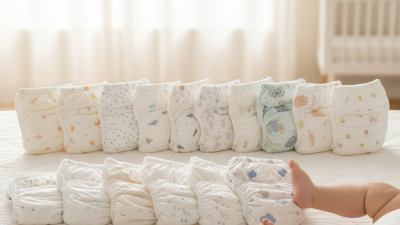
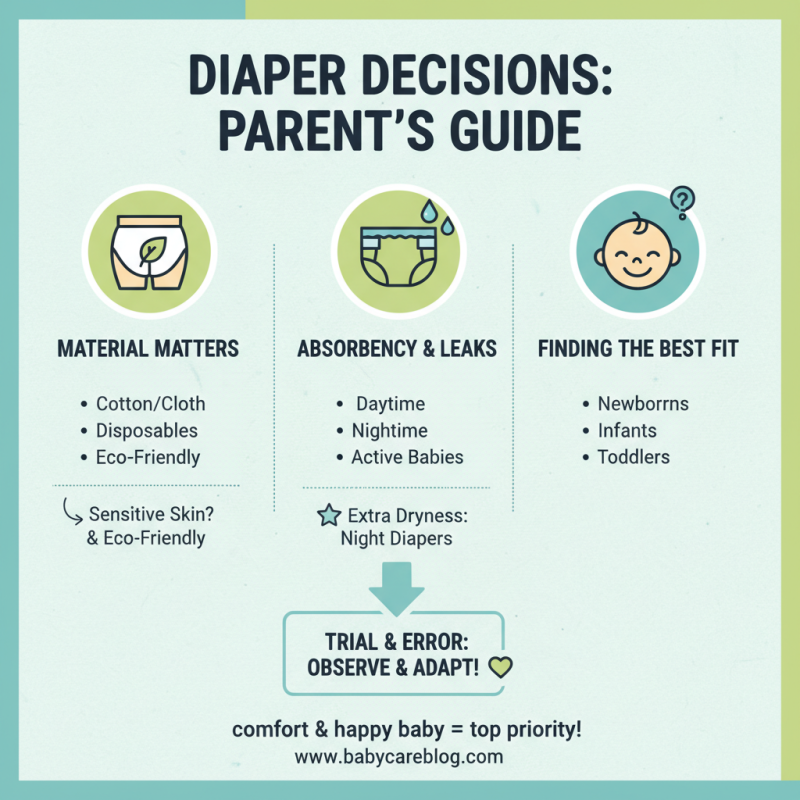
Choosing the right baby diapers is crucial for your child's comfort. A recent report highlights that 77% of parents prioritize softness and absorbency when selecting diapers. Dr. Emily Carter, a pediatric expert, emphasizes, "Comfort is key for a happy baby."
Many families underestimate the impact of diaper quality on a baby's mood. Poorly designed diapers can lead to rashes and discomfort. It’s easy to choose based on price. However, parents must consider materials and fit. Research shows that 65% of infants experience skin irritations caused by low-quality diapers. This is concerning when parents assume all brands offer adequate protection.
In today’s market, innovative designs are emerging. Some brands use eco-friendly materials to reduce allergy risks. Parents should also explore options with advanced moisture-wicking features. Nevertheless, not every product meets high standards. We encourage careful evaluation of ingredients and customer reviews for long-term health. Remember, the right choice can lead to happier, healthier babies.

Selecting the right diaper for your infant is crucial. Comfort plays a key role in your baby's overall happiness and health. Diapers should fit snugly but not too tight. A well-fitting diaper prevents leaks and allows freedom of movement. Babies spend a lot of time on their backs, so a soft lining is essential. This reduces the risk of rashes and discomfort.
Parents often overlook material and breathability. Some fabrics trap moisture, leaving the skin vulnerable. It's important to check for hypoallergenic options. Cloth versus disposable options can be overwhelming. Each has its pros and cons, and it may require some trial and error. Some parents find that specific materials work better for their child.
Balancing protection and comfort is not always easy. Many factors come into play, such as age, activity level, and skin sensitivity. Observing your baby's reactions after trying different types is crucial. What works for one may not work for another. This process can be frustrating, but it’s worth the effort to find the perfect fit.
| Diaper Type | Material | Absorbency (ml) | Breathability | Skin-Friendly |
|---|---|---|---|---|
| Disposable | Polyethylene, SAP | 300 | High | Yes |
| Cloth | Cotton, Microfiber | Variable | Moderate | Yes |
| Biodegradable | Plant-based materials | 250 | High | Yes |
| Hybrid | Cotton, SAP | 350 | High | Yes |

Choosing the right baby diaper is essential for your child's comfort. The fit of a diaper has a significant impact on how comfortable your baby feels throughout the day. A well-fitted diaper prevents leaks, allowing your baby to play freely. If it’s too tight, it can cause discomfort and rashes. If it’s too loose, leaks can happen.
One important factor is the material. Soft, breathable fabrics help keep the skin dry. Babies have sensitive skin, and harsh materials can lead to irritation. Parents should look for diapers that are hypoallergenic and fragrance-free. Testing different types may be necessary to find what works best for your baby.
Tips: Always check the size chart provided. Babies grow quickly, and a diaper that fit last month may not fit now. Keep an eye out for signs of discomfort, like fussiness or rashes. Be prepared to adjust your choice based on your baby’s needs. Remember, not every diaper is perfect. You might find some brands just don’t work for your child, and that’s okay.
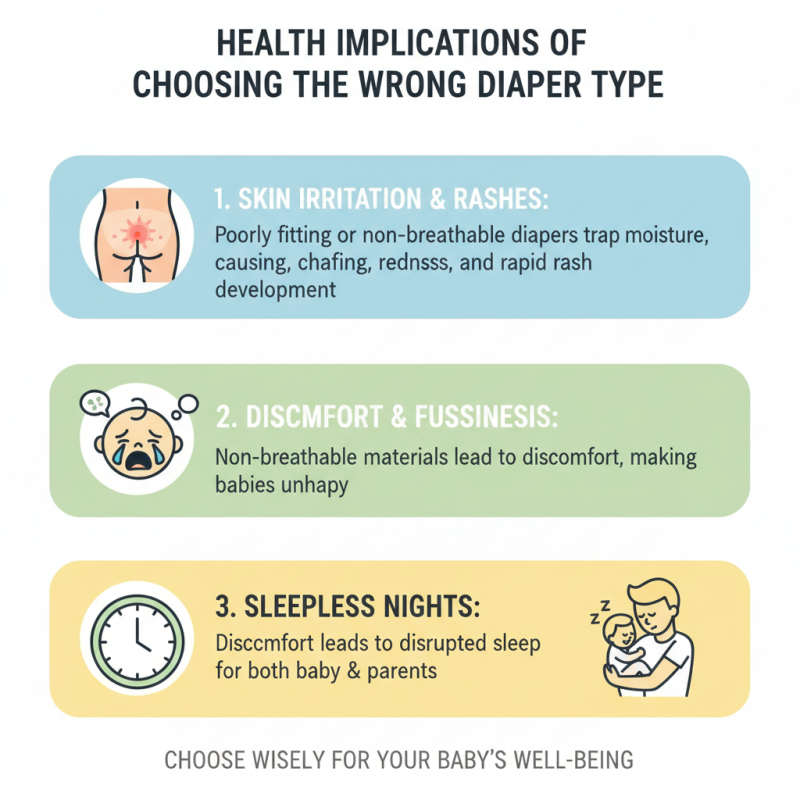
Choosing the wrong diaper can lead to serious health implications for your child. Diapers that fit poorly can cause chafing or irritation on delicate skin. Redness and rashes may develop rapidly if moisture is trapped. Babies often feel discomfort when their diapers are not breathable. This discomfort can lead to sleepless nights for both the baby and the parents.
Some parents may not realize that synthetic materials can irritate sensitive skin. It’s easy to overlook how essential it is to check ingredients. Chemical additives in certain diaper brands can also disrupt a baby’s skin barrier. Natural fibers can offer a hypoallergenic option, but not everyone considers this.
Ignoring these details can lead to consequences like diaper rash. An irritated baby may cry more often, affecting family dynamics. Parents may forget to examine the fit regularly, and this oversight can lead to leaks and further skin issues. Finding the right balance between absorbency and comfort requires attention to detail.
Choosing the right diaper is essential. Different materials can impact comfort and skin health. Softness matters. A diaper that irritates can lead to rashes. Parents should consider how fabrics are made. Natural materials are gentle. Synthetic options might not breathe well.
Let’s look at construction too. The way a diaper is designed changes its performance. Some have elastic waists that fit snugly. Others may sag, causing leaks. A good fit should stay in place, even during playtime. Parents often overlook this. A diaper that seems fine may surprise you later.
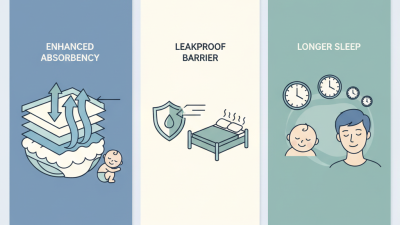
Absorbency also plays a key role. Some brands claim high absorbency but fall short in action. Parents need to ask: Does it hold up overnight? Or does it require frequent changes? These questions highlight the need for careful selection. It's not just about appearance; functionality counts too.
Choosing the right diapers for your baby is essential for their comfort. Diapers come in various materials and styles. Parents must find what works best for their child. Some babies have sensitive skin. Others may need extra absorbency. You may need to try different options. This can be a challenging process.
Here are some tips for parents on selecting the best diapers. First, consider your baby's skin type. Look for breathable materials that reduce rashes. Next, pay attention to fit. Diapers should be snug but not too tight. If they leave marks on the skin, they may not be suitable. Also, check absorbency levels. Overnight diapers can provide longer protection.
Lastly, don't forget about size. Babies grow quickly. You may need to adjust the size frequently. Be mindful of any sizing charts available. This avoids leaks and discomfort for your little one. Remember, finding the right diaper may take time. It's okay to experiment and reflect on what works best. Your baby's comfort should always be a priority.