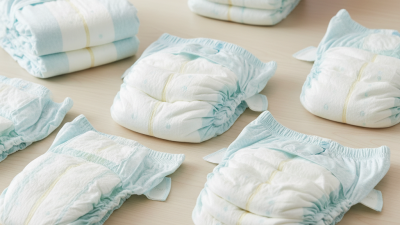
Choosing the right baby training pants is a pivotal step in your child's journey towards independence and potty training. As toddlers transition from diapers to underwear, the decision on which training pants to use can significantly impact their comfort and confidence. Baby training pants are designed to provide an effective blend of absorbency and ease of use, catering to the needs of both parents and children during this crucial developmental stage.
In this guide, we will explore ten essential tips that will help you navigate through the myriad options available in the market. From understanding the materials and sizes to considering your toddler’s preferences, these tips are invaluable in ensuring you make an informed choice. By prioritizing comfort, functionality, and your child's personality, you can select baby training pants that not only support their potty training efforts but also foster a sense of autonomy. Prepare to embark on a rewarding experience that encourages your little one to embrace this important milestone with confidence.
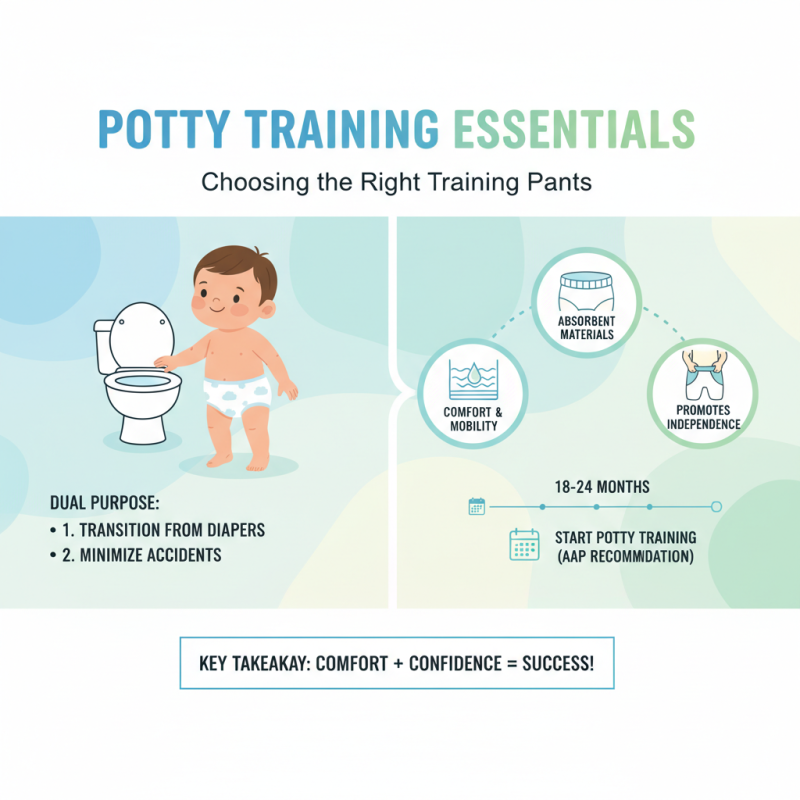
Choosing the right training pants for toddlers is crucial for a successful potty training journey. Understanding the importance of baby training pants can significantly impact both the toddler's comfort and the parent's experience. According to a report by the American Academy of Pediatrics, potty training typically begins between 18 and 24 months, making it essential for parents to select the right materials and designs that promote independence and ease. Training pants serve a dual purpose: they help toddlers transition from diapers to underwear while minimizing accidents and mess.
When selecting baby training pants, consider the fit and absorbency. A well-fitting pair allows for freedom of movement, which is vital as toddlers are actively exploring their surroundings. Additionally, look for options with adequate absorbency features to handle minor accidents. It's important to teach toddlers about the sensations of wetness, as a study from the Journal of Developmental & Behavioral Pediatrics indicates that awareness of wetness can assist in the training process.
Another tip is to involve your toddler in the selection process. Allowing them to choose their favorite designs can enhance their interest in potty training. Engaging toddlers in this way not only fosters enthusiasm but also encourages accountability. Ultimately, the right training pants can create a positive training experience and facilitate the transition from diapers to underwear, paving the way for your child's confidence and self-sufficiency.
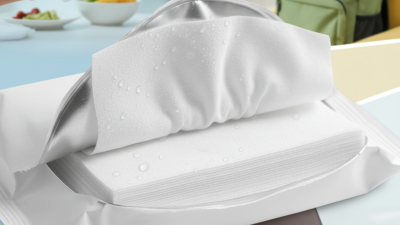
When choosing the best baby training pants for your toddler, several key features are essential to ensure both comfort and effectiveness in the potty training journey. One of the most critical aspects is absorbency. According to the Juvenile Products Association, high-quality training pants should have a multi-layer absorbent core to prevent leaks, allowing your toddler to feel secure while they learn to transition from diapers to underwear. Look for products that feature moisture-wicking properties, as this helps keep your child's skin dry and irritation-free, crucial during this developmental stage.
Another important factor is the fit and flexibility of the pants. Training pants should be easy for toddlers to pull up and down independently, encouraging their autonomy during potty training. Products that offer stretchy waistbands and leg openings provide a snug yet comfortable fit without restricting movement, enabling toddlers to play freely. A report by Parents Magazine highlights that a comfortable fit can significantly reduce accidents, as children are more likely to recognize their body's signals when they do not feel constricted. Additionally, consider the materials used, opting for breathable fabrics that are gentle on sensitive skin to minimize discomfort and promote a positive potty training experience.
When it comes to choosing baby training pants, sizing plays a crucial role in ensuring your toddler's comfort and fit. The right size can significantly affect your child’s willingness to wear the pants, as well as their ability to stay dry and comfortable throughout the day.
It is essential to refer to the sizing chart provided by the manufacturer, which typically correlates the child's weight and age with the appropriate size. This can help parents make a more informed decision, catering to the specific needs of their little ones.
Additionally, parents should consider the style of the training pants when selecting the size. Some styles may have a snugger fit compared to others, which can affect the overall comfort.
When trying on different sizes, it is advisable to check how the training pants fit around the waist and legs, ensuring there is enough room without being too loose. This balance is key to preventing leaks while also providing the mobility necessary for active toddlers as they learn to transition from diapers. A well-fitting pair can boost a child's confidence and independence during potty training, making the experience more enjoyable for both the toddler and the parent.
When selecting the best baby training pants for your toddler, one of the foremost considerations is the material. The fabric used can greatly influence both comfort and effectiveness during this transitional phase. Cotton is a highly recommended fabric due to its breathability and softness, which help prevent diaper rashes and keep your little one comfortable. According to a report from the American Academy of Pediatrics, breathable materials can significantly reduce skin irritation, making cotton an ideal choice for sensitive skin.
Other materials, such as bamboo and microfiber, are also gaining traction among parents. Bamboo is noted for its natural antibacterial properties, which can further protect delicate skin. Microfiber, on the other hand, offers superior absorbency and is often mixed with other fabrics to enhance functionality. A study by the Journal of Pediatric Health Care suggests that training pants with high absorbency can lead to a smoother potty training process, allowing toddlers to stay dry and feel more confident.
When choosing training pants, consider options that offer moisture-wicking capabilities. This feature helps keep the skin dry and comfortable, reducing the likelihood of diaper rash. Additionally, look for pants with elastic waistbands for easy pull-up and pull-down during potty breaks, which can encourage independence. By focusing on the right materials and features, you can make a significant difference in your child's potty training experience.
When it comes to shopping for baby training pants, budgeting plays a crucial role in the decision-making process. Parents often find themselves overwhelmed with options, all while looking to stay within a reasonable budget. One effective strategy is to compare prices among different retailers, both online and in-store. Many supermarkets and baby stores offer promotions or discounts, especially during seasonal sales. Signing up for newsletters or loyalty programs can also provide access to exclusive deals, making it easier to purchase quality training pants without overspending.
Another way to find affordable yet effective training pants is to consider buying in bulk. Many brands offer bulk purchase discounts, which can significantly reduce the cost per unit. Additionally, exploring generic or store-brand training pants can lead to considerable savings. While the quality may vary, many generic options perform just as well as their name-brand counterparts. Lastly, always read reviews or seek recommendations from other parents to ensure that the training pants you choose strike the perfect balance between affordability and functionality. This approach not only saves money but also ensures your toddler is comfortable and supported during their potty training journey.
| Tip Number | Tip Description | Price Range (Per Pack) | Materials | Best For |
|---|---|---|---|---|
| 1 | Check absorbency levels to avoid leaks. | $10 - $25 | Cotton, Polyester, Absorbent Gel | Daytime Training |
| 2 | Look for adjustable waistbands for a better fit. | $12 - $30 | Cotton Blend | Toddlers with different body types |
| 3 | Choose pull-up designs for easy on-off. | $15 - $35 | Disposable, Biodegradable Options | Independent Toddlers |
| 4 | Consider breathable fabrics to prevent rash. | $10 - $28 | Cotton, Microfiber | Sensitive Skin |
| 5 | Evaluate the ease of removal for quick changes. | $8 - $20 | Velcro, Snap Closure | Busy Parents |
| 6 | Look for hypoallergenic options if allergies exist. | $11 - $26 | Hypoallergenic Materials | Allergy-Prone Toddlers |
| 7 | Check reviews for real-world performance. | $9 - $22 | Varies | All Parents |
| 8 | Consider eco-friendly options for sustainability. | $15 - $33 | Bamboo, Recycled Materials | Environmentally Conscious Families |
| 9 | Select fun designs to encourage use. | $10 - $25 | Cotton, Mixed Fabrics | Playful Toddlers |
| 10 | Compare prices across retailers for best deals. | $8 - $30 | Varies | Budget-Conscious Parents |