Why Are Wet Wipes Essential for Modern Hygiene Needs?

In today's fast-paced world, hygiene has taken a forefront in our daily lives. Wet wipes have emerged as a crucial tool for maintaining cleanliness. They are versatile and easy to use, making them ideal for various situations. Whether you're out in public or at home, wet wipes provide convenience and safety.

Many people have experienced the frustration of feeling unclean during a busy day. Wet wipes address this issue effectively. They offer a quick way to freshen up, especially when soap and water are not available. Their portability makes them accessible for everyone. From parents with young children to individuals in shared spaces, wet wipes meet diverse hygiene needs.

However, while wet wipes are beneficial, the environmental impact of disposable products is worth reflecting on. Are we balancing convenience with sustainability? Finding biodegradable options can provide a solution. As we recognize the essential role of wet wipes in our hygiene routine, we must also consider their environmental footprint responsibly.

Why Are Wet Wipes Essential for Modern Hygiene Needs?

Wet Wipes: An Overview of Their Composition and Variants

Wet wipes have become indispensable in modern hygiene practices. Their diverse composition plays a crucial role in this. Most wet wipes comprise non-woven fabric, water, and various additives. These additives include surfactants, preservatives, and fragrance agents. Studies show that surfactants help in removing dirt and bacteria effectively. These minimal ingredients ensure wipes are suitable for numerous applications.

A variety of wet wipes exist to cater to different hygiene needs. For instance, baby wipes are formulated specifically for sensitive skin, often containing aloe vera or vitamin E. On the other hand, disinfectant wipes are imbued with antimicrobial agents. According to a report from Grand View Research, the global wet wipes market size was valued at USD 13.1 billion in 2020. This figure is expected to grow as hygiene awareness increases. However, the environmental impact of disposable wipes cannot be ignored. Many wipes do not break down easily in landfills, prompting discussions on more sustainable options.

Consumers often find themselves stuck between convenience and sustainability. A notable survey revealed that 50% of respondents use wet wipes daily, but many express concern over their ecological footprint. This contradiction highlights the need for better education on proper disposal methods and sustainable alternatives.

Why Are Wet Wipes Essential for Modern Hygiene Needs? - Wet Wipes: An Overview of Their Composition and Variants

Type of Wet Wipe Primary Ingredients Usage Scenario Biodegradability
Baby Wipes Water, Aloe Vera, Mild Surfactants Diaper Changes Variable (some biodegradable)
Disinfecting Wipes Water, Alcohol, Quaternary Ammonium Compounds Surface Cleaning Not Biodegradable
Facial Wipes Water, Glycerin, Essential Oils Makeup Removal Variable (some biodegradable)
Freshening Wipes Water, Fragrance, Aloe Vera On-the-Go Refreshing Not Biodegradable
Antibacterial Wipes Water, Alcohol, Antibacterial Agents Hand Hygiene Not Biodegradable

The Role of Wet Wipes in Infection Control and Prevention

Wet wipes play a crucial role in infection control and prevention in today's world. With the rise of germs and pathogens, keeping surfaces clean is more important than ever. Wet wipes are designed for quick cleaning and disinfection, providing users with a practical tool to combat the spread of infections. Their convenience allows for easy access to hygiene solutions in various settings, including homes, offices, and public spaces.

In many situations, hand hygiene may not be feasible due to limited access to soap and water. Wet wipes can serve as an alternative, providing antibacterial properties that help eliminate harmful bacteria. They can be used on hands, surfaces, and even on personal items like phones. The ease of use encourages more frequent cleaning, which is vital in preventing illness. However, it's important to remember that they should not replace thorough handwashing practices when possible.

While wet wipes offer significant benefits, some environmental concerns must be addressed. Many wipes are not biodegradable, leading to waste accumulation. Users should consider the impact of their choices. The effectiveness of wipes can vary, and not all are created equally. It is essential to read labels and understand their properties. Awareness of proper usage can maximize their potential in maintaining hygiene and protecting health.

Statistics on Global Wet Wipe Consumption and Market Growth

The global consumption of wet wipes has skyrocketed in recent years. Statistics show that the wet wipes market is set to grow by over 10% annually. This rapid growth reflects a shift in consumer habits and hygiene standards. Increased awareness of personal hygiene has led to the rising popularity of these convenient products.


Wet wipes are used in various settings. From households to hospitals, their versatility is undeniable. They provide a quick and effective way to clean and refresh. In 2022, approximately 30 billion wet wipes were consumed worldwide. This number indicates a significant reliance on these products for everyday hygiene.


However, the environmental impact of wet wipes is a growing concern. Many are not biodegradable, contributing to pollution. Consumers are becoming aware of this issue. They seek alternatives that balance hygiene needs and environmental responsibility. This shift in awareness calls for better innovation in the wet wipes industry.

Environmental Concerns: Biodegradability and Disposal of Wet Wipes

Wet wipes have become essential for personal hygiene in today’s fast-paced world. However, the environmental impact of these products raises significant concerns. A report by the World Health Organization highlights that about 30% of wet wipes marketed as biodegradable do not disintegrate under standard landfill conditions. This statistic sheds light on a growing dilemma: convenience versus environmental sustainability.
Disposal is a critical issue. The Environmental Protection Agency indicates that over 80% of wet wipes end up in landfills, contributing to waste problems. These products often clog sewage systems, leading to costly infrastructure maintenance. Additionally, a survey found that 50% of consumers are unaware of proper disposal methods for wet wipes. This points to a pressing need for consumer education.

While wet wipes offer immediate hygiene solutions, their long-term environmental implications cannot be ignored. Innovative solutions for biodegradable alternatives are emerging, but widespread adoption remains a challenge. Recognizing this gap is crucial, as it compels industries and consumers alike to rethink hygiene practices that align with a more sustainable approach.

Consumer Preferences: The Impact of Wet Wipes on Personal Hygiene Habits

Wet wipes have fundamentally changed how we approach personal hygiene. Many consumers appreciate their convenience and effectiveness. They’re often used for quick clean-ups when soap and water aren't available. This fits well into our fast-paced lifestyles. In public spaces or during travel, wet wipes offer a simple solution for on-the-go cleanliness. Yet, they also present some concerns.

Some people question their environmental impact. The convenience of disposable wet wipes raises issues about waste. Many users may not realize that flushing them can lead to plumbing problems. The ease of using wet wipes might also foster habits that depend less on traditional washing methods. This could lead to a reliance on wipes instead of proper hygiene practices. Balancing convenience with responsible use remains a challenge for consumers.

As we navigate modern hygiene habits, awareness plays a key role. Educating ourselves about the right uses for wet wipes can improve our routines. Understanding both their benefits and limitations fosters responsible usage. We must think critically about our hygiene choices. An informed consumer can find the right balance between convenience and sustainability.

Why Are Wet Wipes Essential for Modern Hygiene Needs?

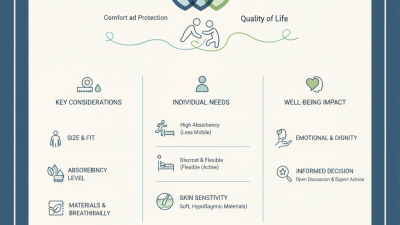
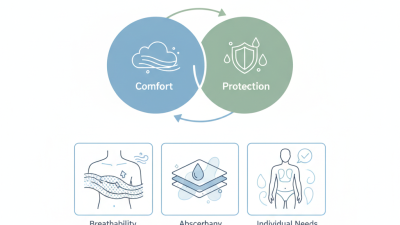
This chart illustrates the various features of wet wipes that contribute to their importance in modern hygiene practices. Each category reflects consumer preferences and highlights the significance of convenience, effectiveness, versatility, skin sensitivity, and convenient packaging, all of which are key factors influencing personal hygiene habits.

Product

Solution

Factory

Get your first personal diaper product customization
© 2021  Quanzhou Tianjiao Lady & Baby's Hygiene Supply Co., Ltd. All rights reserved. Site Map. Technology by leadong.