Potty training is a significant milestone for both parents and children. Choosing the right baby training pants can make this journey smoother. Baby training pants are designed to offer comfort and protection while encouraging independence. Parents often face challenges when selecting the ideal product.
Different brands offer various features, such as absorbency and ease of use. It’s essential to consider factors like fit and material. Some pants may feel too bulky, leading to discomfort. Others might leak, causing stress for both child and caregiver. Engaging your little one in the process can also lead to better outcomes.
Every child is unique, and what works for one may not suit another. Paying attention to your child’s preferences is important. This process is not just about the pants; it's about building trust and confidence. So, take time to research and reflect on your choices to find the best fit for your child's needs.
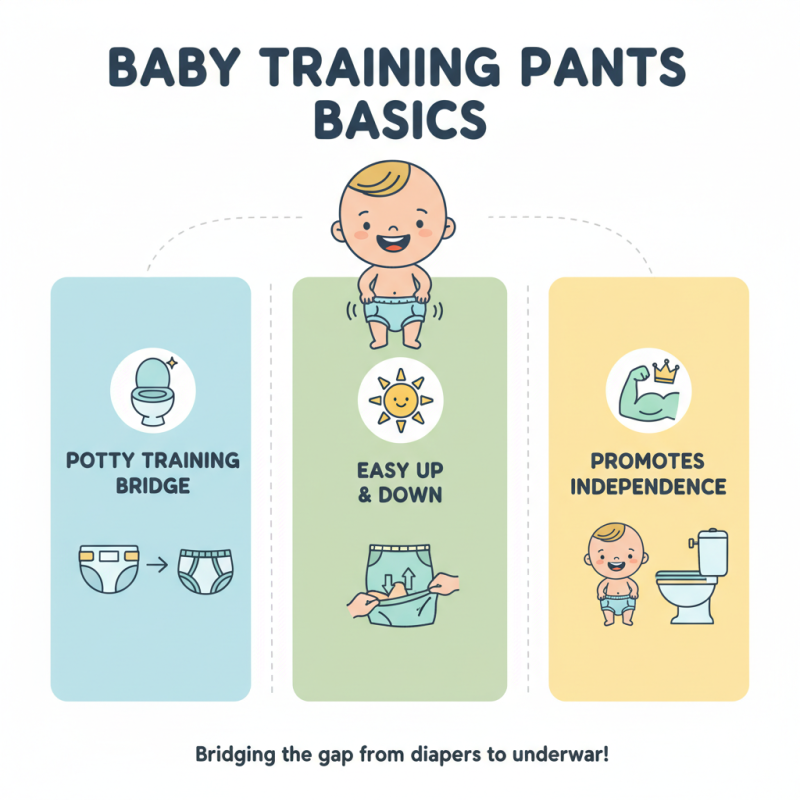
When it comes to potty training, choosing the right baby training pants is essential. Understanding their basic features helps parents make informed decisions. Training pants are designed to bridge the gap between diapers and underwear. They are perfect for toddlers who are learning to use the toilet. Unlike regular diapers, they allow for easier pull-on and pull-off access, promoting independence.
Look for pants that provide absorbency while allowing comfort. Materials should be soft and breathable. This helps prevent rashes and irritation during the training process. A variety of designs may appeal to little ones, encouraging them to wear the training pants willingly. Some parents notice the importance of a snug fit because loose pants can lead to leaks, creating messes and frustrating situations.
It’s important to remember that every child is different. What works for one may not work for another. Some kids might resist the transition or face accidents. This can be discouraging for parents, requiring patience and flexibility. Engaging toddlers with positive reinforcement can make a difference. Celebrate their successes, no matter how small. This encourages them to embrace the journey towards becoming fully toilet trained.
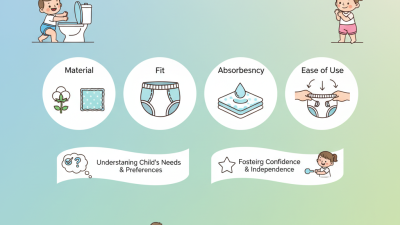
Choosing the right training pants for potty training can be overwhelming. There are many features to consider. Look for a pants style that mimics regular underwear. This helps your child feel more grown-up and encourages independence. A comfortable fit is crucial to prevent leaks and to avoid causing any irritation.
Absorbency is another important feature. Training pants need to hold minor accidents while your child learns. Some products provide extra absorbent layers to handle unexpected leaks without discomfort. Consider how easy the pants are to pull up and down. This encourages your child to use the potty independently, supporting the training process.
Finally, think about material. Soft, breathable fabric is essential for your child's comfort. Many parents tend to overlook this aspect, but rough materials can discourage a child from using them. Look for washable options as well. They are eco-friendly and cost-effective. It is valuable to focus on these features before making your final choice.
When choosing training pants for potty training, size and fit are crucial. A well-fitted training pant can promote comfort and confidence for your child. According to a study from the National Institute of Child Health and Human Development, proper fit can reduce accidents up to 30%. This statistic highlights the importance of selecting the right size for your little one.
When assessing the size, always consider your baby’s weight and body shape. Look for sizing charts provided by manufacturers. Many brands offer a range of sizes, ensuring you can find the best fit. Remember, a snug fit helps prevent leaks, while too tight pants can cause discomfort.
Here are some tips:
- Check the waistband; it should sit comfortably without pinching.
- Examine the leg openings; they shouldn’t be loose enough to leak.
- If you’re between sizes, opting for the larger size can provide more leeway.
Being mindful of these details can make the potty training experience more enjoyable. Regularly check the fit as your child grows, since their needs will change over time. Avoid ignoring signs of discomfort, as these can affect their willingness to use the potty.
When selecting baby training pants for potty training, material considerations are crucial. Breathability is essential for your baby’s comfort. A fabric that allows air to circulate can help prevent rashes. Cotton blends often provide the right balance of softness and breathability. However, finding a perfect blend can be tricky. Some parents report issues with wicking moisture away. This can lead to discomfort for your little one, making it critical to test different materials.
Absorbency is another vital factor. Training pants should effectively manage leaks while still being comfortable. Look for options that feature layers designed for quick absorption. This helps keep your baby dry during transitions. However, parents may find that highly absorbent pants can feel bulkier. A balance between fit and functionality is imperative.
It can be challenging to choose the right training pants. Parents often wish for a one-size-fits-all solution but realize that each child is unique. Some fabrics may irritate sensitive skin, while others might not hold enough. Regularly assessing how your child responds to different materials will guide your choices. This journey demands patience, and each experience offers a lesson in your child's needs.
| Material Type | Breathability | Absorbency | Comfort | Cost |
|---|---|---|---|---|
| Cotton Blend | High | Moderate | Soft | $$ |
| PUL (Polyurethane Laminate) | Moderate | High | Comfortable | $$$ |
| Microfiber | Low | Very High | Moderately Comfortable | $ |
| Bamboo | High | Moderate | Very Soft | $$ |
Budgeting for baby training pants can seem overwhelming. Parents want a balance between quality and cost. It’s essential to consider how training pants fit into your overall budget. Look for multipacks or bulk purchase options to save money. Shopping during sales can also yield significant savings.
Quality matters, even when budgeting. Cheap options may not offer the absorbency or comfort your child needs. Focus on materials that prevent leaks but won't irritate your baby’s skin. Remember, the goal is to make potty training easier, not create more problems. Sometimes, spending a little more provides better peace of mind.
Consider second-hand options. Gently used training pants can still be effective. Parents often sell items after their children outgrow them. Check online marketplaces or local parent groups. This can provide a cost-effective solution without sacrificing quality. Adjusting your approach to purchasing training pants may offer new perspectives and ways to save.