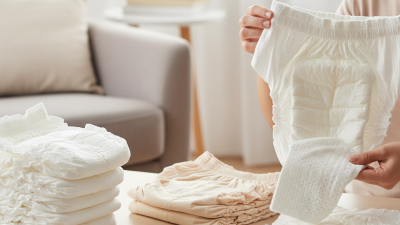
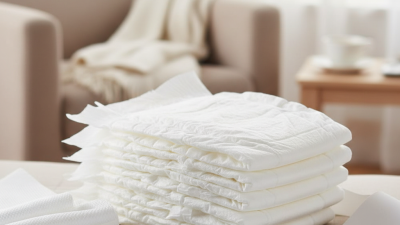
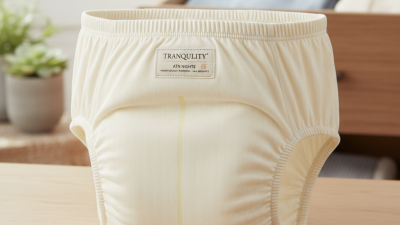
In the rapidly evolving market of healthcare products, the demand for high-quality adult diapers has surged. Experts like Dr. Louis Martin, a leading figure in geriatrics, emphasize, "Choosing the right adult diaper can significantly improve the quality of life for users." As millions of individuals face challenges related to incontinence, the importance of reliable and comfortable adult diaper brands cannot be overstated.
This guide will explore the top ten adult diaper brands that stand out for their performance and user satisfaction. From innovative materials to superior absorbency, these brands embody the balance of comfort and functionality. Each option reflects a commitment to improving the lives of users, especially the elderly and those with disabilities. However, navigating through numerous choices can be daunting.
Many brands promise performance but may fall short in user comfort and fit. Testing and personal experiences are crucial to find the best match for individual needs. The objective is to provide insights into adult diaper brands that deliver on their promises, ensuring dignity and independence for users worldwide.
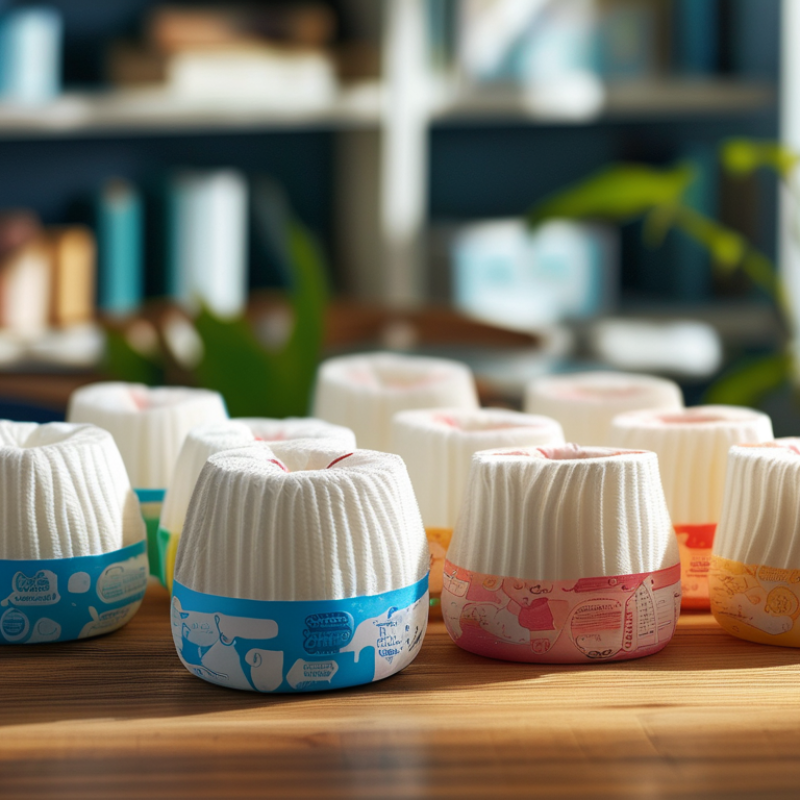
When selecting adult diapers for a global market, several key factors come into play. Accessibility and comfort are paramount. According to a recent market research report, over 36% of adult diaper consumers prioritize comfort above all else. This highlights the necessity of soft materials and proper fit. Furthermore, the design should cater to varying body shapes, ensuring that users feel secure and unobtrusive.
Another critical aspect is the absorbency level. Reports show that a staggering 70% of users cite absorbency as their main concern. This means brands must invest in advanced materials that can handle diverse needs. For example, a good adult diaper should manage both light and heavy incontinence. However, balancing absorbency with breathability proves challenging. Some products that excel in one area may compromise in another, leading to user dissatisfaction.
Price is also a consideration, especially in diverse markets. The global adult diaper market is projected to grow, with an expected increase of 6.9% from 2023 to 2028. While affordability is crucial, it often leads to trade-offs. Often, cheaper options don't provide the same quality, inhibiting long-term usage. It's worth reflecting on how consumers navigate these choices, potentially leading to a cycle of dissatisfaction.
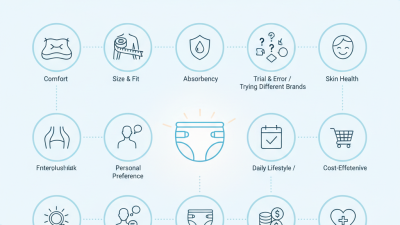
The adult diaper industry is witnessing significant growth. As populations age globally, the demand for quality products is increasing. More individuals are experiencing incontinence due to age or medical conditions. This rise is pushing manufacturers to enhance their product offerings to meet diverse consumer needs.
Consumer demographics vary widely. Older adults are the primary users, but younger individuals with specific health issues also contribute. Cultural attitudes towards incontinence play a role in market trends. Some regions embrace open discussions about these products, while others remain hesitant. This creates an interesting dynamic for brands looking to engage effectively with consumers.
Despite the growth, challenges remain. Many users still feel embarrassed about their condition. They seek discreetness and comfort. Brands need to address these emotional aspects. Engaging with consumers genuinely can build trust. Companies should listen to feedback and adapt. This can lead to innovative solutions that cater to all users. Educating consumers about choices can empower them.
When considering adult diapers, key features and innovations are pivotal for buyers. Leading brands focus on comfort and absorbency. Many modern designs incorporate breathable materials, reducing skin irritation. Some products now feature moisture-wicking technology, which keeps skin dry and enhances user comfort.
Durability is equally important. Adult diapers must withstand extended wear without compromising effectiveness. Innovations have led to better leak protection. Unique contouring shapes help the product stay in place, making daily activities easier for users.
Tips: Always check the size guidelines. A proper fit improves comfort and prevents leaks. Consider trying different styles, as preferences vary greatly. Some users prefer snug fits, while others find loose options more suitable. Reliable brands often provide trial packs to assist in finding the right match. Keep an eye on reviews to gauge user experiences for better insight.
The adult diaper market has grown significantly in recent years. Reports show an expected growth rate of over 6% annually until 2027. This demand peaks due to an aging population and increased awareness of incontinence issues. Manufacturers are innovating faster, focusing on better materials and performance.
Performance metrics such as absorbency, comfort, and fit are critical. Users often prioritize products that offer skin protection and odor control. Survey data indicates that 70% of users prefer products with high absorbency ratings. However, some brands still struggle with overall quality, leading to leaks and discomfort. Pricing varies widely, impacting buyer choices greatly.
While premium products often promise enhanced features, budget options can also deliver satisfactory performance. Consumers report mixed experiences with lower-cost brands. Recent studies suggest that about 40% of users feel unsatisfied with their current choice. This highlights the need for a careful comparison of options, considering both quality and price before making a purchase.
In recent years, sustainability has taken center stage in various industries, including adult diapers. Eco-friendly innovations are becoming a priority. Manufacturers are exploring biodegradable materials and reducing waste. This shift is not just good for the environment; it's also appealing to a growing demographic that values sustainability.
When selecting adult diapers, consider materials carefully. Look for brands that prioritize renewable resources. These options often reduce reliance on petroleum-based products. Another tip is to focus on production methods. Brands that minimize water use and carbon emissions are leading the charge. Such practices contribute to a more sustainable future for everyone involved.
Consumer awareness is key. Many buyers now research the companies behind their products. Transparency about sourcing and manufacturing builds trust. However, some brands may overstate their eco-friendly credentials. It requires diligence from buyers to discern genuine sustainability efforts. Awareness can lead to informed decisions, benefiting both users and the planet.
| Brand Ranking | Market Share (%) | Sustainability Initiatives | Main Materials Used | Geographical Focus |
|---|---|---|---|---|
| 1 | 25 | Biodegradable materials, water conservation | Cotton, Super absorbent polymers | North America, Europe |
| 2 | 20 | Recycled packaging, renewable energy usage | Polyester, SAP | Asia, Australia |
| 3 | 15 | Carbon footprint reduction, ethical sourcing | Cotton, Clays | Europe, Latin America |
| 4 | 12 | Sustainable logistics, waste reduction | Cellulose, SAP | North America |
| 5 | 10 | Plant-based materials, community support | Biopolymer, Synthetic fibers | Asia |
| 6 | 8 | Waterless production, eco-friendly materials | Cotton, Laminated fabrics | Europe |
| 7 | 6 | Sustainable sourcing, reduced packaging | Biodegradable plastics, SAP | North America |
| 8 | 5 | Green logistics, eco-efficient manufacturing | Cotton, Wood pulp | Asia, Europe |
| 9 | 3 | Eco-friendly certifications, local sourcing | Natural fibers, SAP | North America |
| 10 | 2 | Flexible recycling programs, sustainable packaging | Synthetic fibers, Thermal adhesives | Global |