When it comes to comfort and leakproof protection for infants, choosing the right Baby Pant Diaper is essential. According to a recent report by Market Research Future, the global market for baby diapers is projected to reach $64 billion by 2025, reflecting a growing demand for high-quality products. Experts underscore the importance of effective design, with infant care specialist Dr. Emily Rodriguez stating, “The right fit can significantly reduce leak incidents and enhance comfort.”
Parents today are faced with a wide array of options in the Baby Pant Diaper category. However, not all diapers are created equal. Some brands prioritize absorbency while sacrificing comfort, leading to potential skin irritation. Moreover, environmental considerations are becoming more prevalent in consumer choices. Reports indicate that biodegradable options are gaining traction, but they often come at a higher price point.
Choosing a Baby Pant Diaper necessitates careful thought and consideration. Each parent's and baby's needs are unique. This complexity suggests there is no one-size-fits-all solution. The challenge lies in balancing comfort, performance, and sustainability, all while ensuring that little ones remain dry and happy.
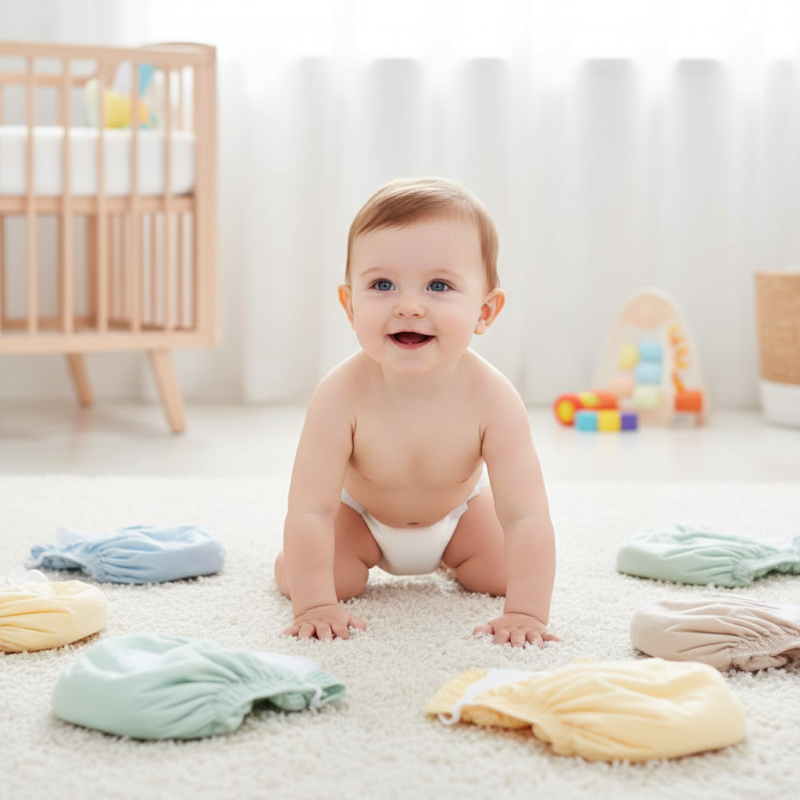
When choosing baby pant diapers, comfort and protection top the list. These diapers are designed with soft materials that feel gentle against a baby’s skin. Breathable fabrics help prevent rashes. Good elasticity ensures a snug fit without being too tight. Parents appreciate how easy they are to put on and take off.
Tip: Always check the size chart. A good fit can reduce leaks. Poor fitting diapers can lead to discomfort. Every baby is unique, and finding the right size can be a journey. Don't hesitate to try different options to see what works best for your little one.
Leakproof protection is essential. Many baby pant diapers include features like elastic leg openings. This design aids in keeping messes contained. Despite these innovations, leaks can sometimes happen. It's important to monitor for any signs of wetness or discomfort. Regular changes help maintain your baby's comfort.
Tip: Keep an eye on diaper changes. Older babies may require more frequent changes. Watch for signals indicating the need for a new diaper. This proactive approach ensures your baby stays happy and dry.

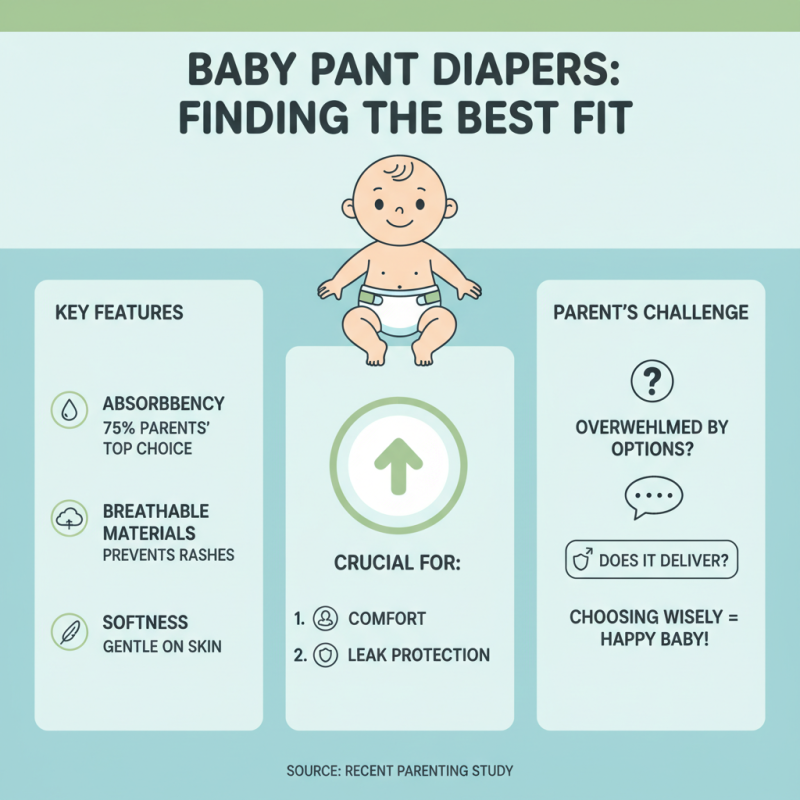
Choosing the right baby pant diapers is crucial for comfort and leak protection. Parents often feel overwhelmed by options. According to a recent study, 75% of parents consider absorbency as the top feature. It's essential to look for materials that are breathable and soft on a baby's skin. Many diapers claim to provide comfort, but not all deliver.
Another important criterion is fit. A good fit reduces leaks significantly. Research indicates that diapers with adjustable tabs can improve fit by up to 50%. Parents should consider those sizes that are designed for both sitting and moving. Some styles may seem snug but can restrict movement. A diaper that feels bulky can also cause discomfort.
The price point is also a variable in choice. However, quality often outweighs cost. A cheaper product may lack the necessary features, resulting in leaks and rashes. Consider the long-term impact on your baby’s skin health. Picking a diaper is a profound decision that requires thought and patience. Each baby is unique, so it may take time to find the right option.
When it comes to baby pant diapers, comfort and leakproof protection are paramount. It’s essential for parents to choose options that work effectively while being gentle on their baby's skin. According to a recent market analysis, 68% of parents prioritize comfort, stating that a well-fitted diaper reduces discomfort for their little ones. Flexible designs allow for natural movement, an important factor for active toddlers.
Interestingly, many brands claim to offer superior leak protection. However, only around 45% of parents report satisfaction with leakage prevention in their current diapers. The gap here shows the need for continuous improvements in design and materials. Innovative materials that wick moisture away can provide better outcomes. Some products have improved elastic waistbands, enhancing the fit around tiny waists. This is a critical comfort area often overlooked, as poor fit can lead to chafing.
Furthermore, reports indicate that eco-friendly materials are gaining popularity. Around 35% of parents are now opting for sustainable choices. These options can be more expensive but often provide better breathability and softness. Although some parents note that not all eco-friendly options perform equally well, the market is evolving. Careful consideration of these factors allows parents to make informed decisions about their baby's diaper needs.
When choosing baby pant diapers, leakproof technology is crucial. Parents want peace of mind during playtime or sleep. Look for materials that prevent leaks effectively. Soft, breathable fabrics are essential for your baby's comfort. Many diapers now feature special barriers to keep moisture locked in. These barriers help maintain dryness for longer periods.
Inspect the diaper design carefully. A snug fit around the legs and waist often reduces leaks. However, not all babies are the same. Some may find a particular style uncomfortable. Parents should monitor the fit and adjust as needed. Remember, a perfect fit is vital to avoid accidents. Sometimes, a diaper may perform well but still fail to meet expectations.
Additionally, consider the absorbency level. Some brands focus on high absorbency, while others prioritize softness. Feel free to experiment. It might take several tries to find the perfect match. Don’t hesitate to change if leaks occur frequently. This process can be frustrating but essential for your baby's well-being.
When choosing baby pant diapers, user reviews reveal key insights. Many parents prioritize comfort and leakproof functionality. According to a recent industry report, nearly 70% of parents value breathable materials. These factors greatly affect their purchasing decisions. Various brands utilize different materials that enhance comfort for babies.
Comparisons of popular options illustrate stark differences. Some products claim superior leak prevention yet lack softness. Reviews often highlight the friction between absorbency and comfort. Parents mention that certain diapers cause rashes despite high absorbency ratings. This inconsistency reflects the challenge in finding the perfect balance.
Feedback from users shows that sizing is also an issue. Many parents note that some brands tend to run small. A good fit is crucial to prevent leaks and skin irritation. Other diapers offer generous size ranges but lose absorbency with larger sizes. It's a balancing act—how to ensure comfort while maintaining leakproof protection. Parents are encouraged to test different options to find the right fit for their little ones.